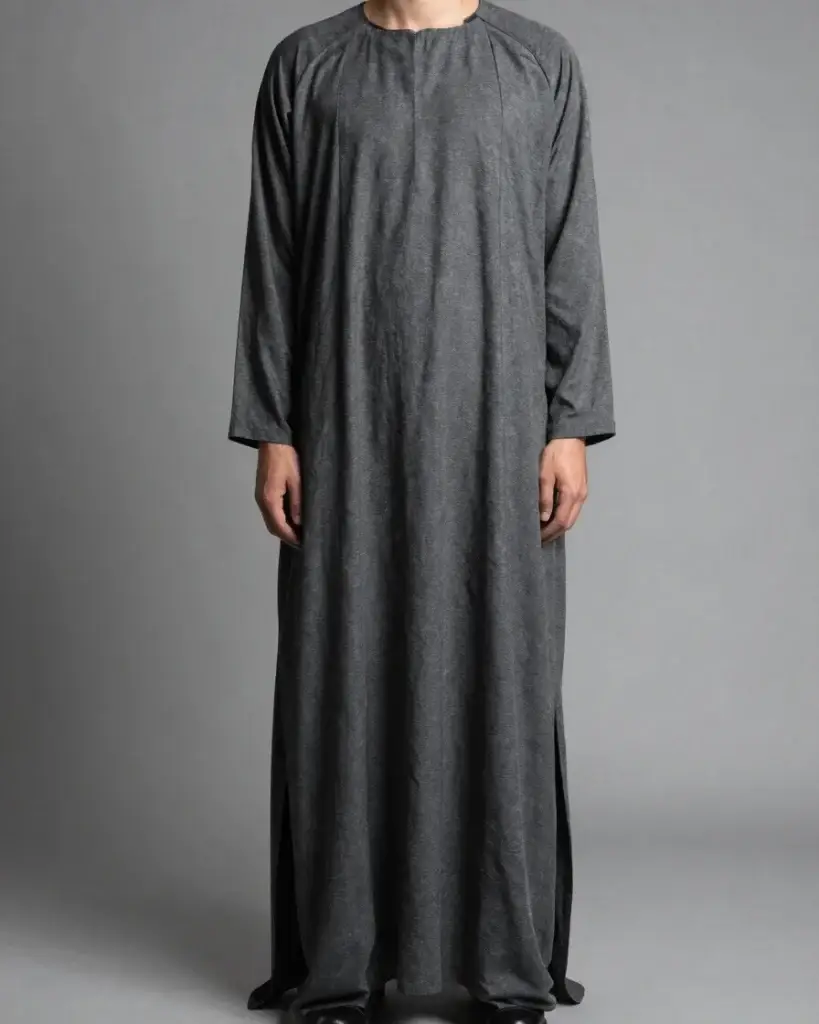
Each collection begins from a single silhouette idea and is developed through materials, proportion, and finishing. The named series below show how one reference can branch into sovereign, armored, and ceremonial looks.
Collection I
Sovereign Drape
Long, weighted layers in charcoal wool and matte satin, built to read as formal authority from across a room.
Collection II
Armored Contour
Hard-surface panels cut in aged metallic tones, shaped over the body to suggest plate without rigid bulk.
Collection III
Ceremonial Cloak
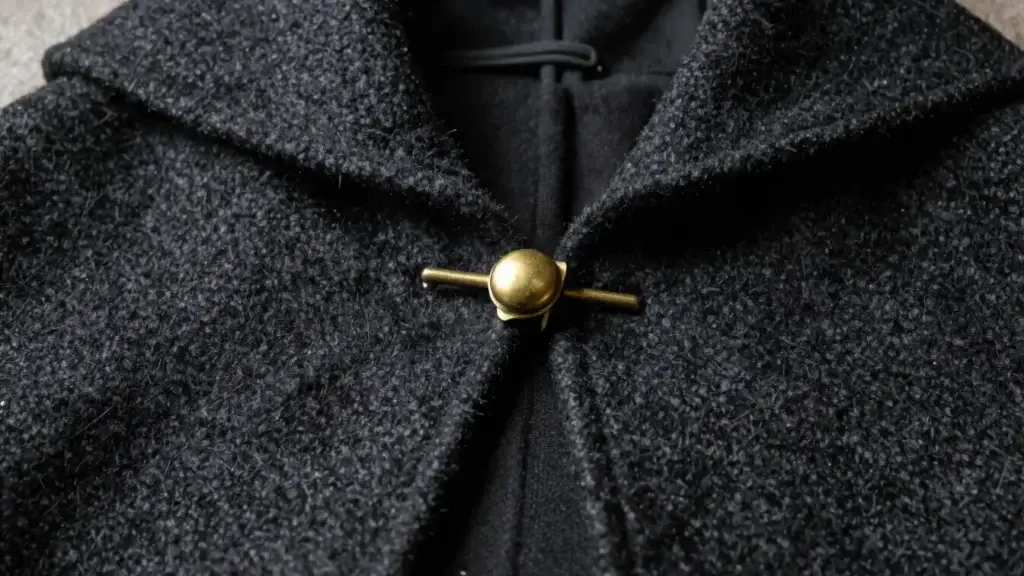
Structured capes and high collars in layered neutrals, finished with brass fastenings and hand-stitched trim.
Styles
Silhouette styles in practice
Three recurring silhouette families define how each collection moves on the body. Each is studied for its drapery, its structure, and the construction it demands.
Tunic drapery
Long, column-like panels fall from a shoulder line, creating a stately vertical rhythm. The look depends on fabric weight and careful hem balance.
Metal plate contouring
Hard-surface plates follow the torso in overlapping bands, shaped with seam allowances that let the garment stay flexible while holding its armored outline.
Cloaked silhouettes
Wide, weighted capes hang from a structured collar, balancing volume at the shoulders with a clean line down the back.
Why the styles matter
Recognizing these families helps makers choose materials and plan construction before cutting into fabric.
Cloak wool and brass fastenings, shown at close range, reveal the weave and finishing that define the ceremonial collection.